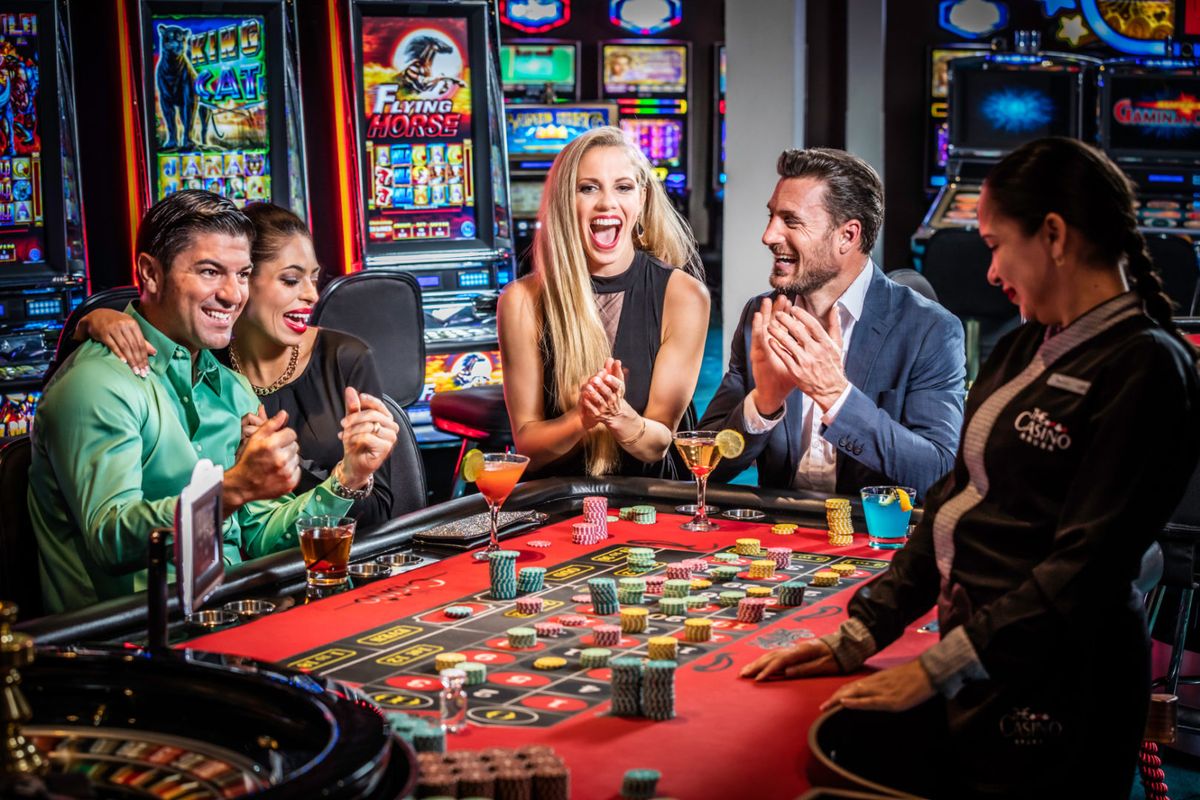
Technology keeps pushing online casinos forward at a crazy pace. Virtual reality casinos are already here, letting you walk around a digital casino and play games like you are really there. VR headsets are still expensive and clunky, but they are getting better every year. In five years, VR casinos might be the norm instead of the exception. Imagine sitting at a virtual poker table with players from around the world, reading their body language like you are in the same room. The tech is not quite there yet, but it is coming fast.
Artificial intelligence is changing how casinos operate behind the scenes. AI analyzes player behavior to spot problem gambling early and offer help. It also personalizes bonuses and game recommendations based on what you like to play. Customer support bots powered by AI handle simple questions instantly, freeing up human agents for complex issues. Game developers use AI to test new games and balance payout rates. Players might not notice AI at work, but it is shaping their experience in dozens of ways. Future casinos will be smarter and more responsive because of it.
Cryptocurrency casinos are growing fast as more people adopt digital currencies. Crypto offers faster transactions, lower fees, and better privacy than traditional payment methods. Some casinos operate entirely on crypto with no fiat currency at all. Blockchain technology makes games provably fair, meaning players can verify every outcome is truly random. Governments are still figuring out how to regulate crypto gambling, which creates both opportunities and risks. Crypto casinos are not for everyone, but they are carving out a solid niche.
Regulation is tightening around the world as governments try to control online gambling. Some countries ban it outright. Others license and tax it heavily. Malaysia sits in a gray area where online gambling exists but operates in a legal gray zone. Future regulations could crack down harder or open things up for licensed operators. Players need to stay informed about legal changes. What is tolerated today might not be tomorrow. Responsible casinos will adapt to new rules. Sketchy ones will disappear or move to shadier jurisdictions. For more information please visit club 99
Social gaming blurs the line between gambling and video games. Free-to-play casino games let you play slots and table games with virtual currency. You cannot win real money, but you can buy more virtual currency with real money. These games hook young players who might transition to real money gambling later. Social casinos are huge business and they are only getting bigger. The line between gaming and gambling is fading, which worries regulators but excites casino operators.
Live streaming and esports betting are bringing new audiences to online casinos. Streamers play casino games on Twitch and YouTube, showing off big wins and brutal losses. Viewers get hooked watching and want to try it themselves. Esports betting lets you wager on professional video game matches. It attracts younger players who do not care about traditional sports. Casinos are adapting by offering more esports markets and sponsoring popular streamers. The gambling audience is changing, and casinos are changing with it.
Personalization will define the next generation of online casinos. Future sites will tailor everything to your preferences: game recommendations, bonus offers, even the interface layout. AI will track what you play, when you play, and how much you bet. It will predict what you want before you know yourself. This sounds great for convenience but scary for privacy. Casinos will know more about you than your friends do. The trade-off between personalization and privacy will be a major issue as technology advances. Players will need to decide how much data they are comfortable sharing.
Online casino games have transformed the way people experience gambling and interactive entertainment. What once required a trip to a physical casino can now be accessed from a smartphone, tablet, or laptop within seconds. This shift began in the mid-1990s when the first online casinos launched, offering simple digital versions of blackjack, roulette, and slot machines. Over the following decades, advances in internet speed, mobile technology, and secure payment systems allowed the industry to grow into a global market worth tens of billions of dollars annually. Today, players can choose from thousands of platforms, each offering a wide variety of games designed to replicate or even improve upon the traditional casino experience. The convenience of playing anytime, anywhere has made online casinos particularly appealing to a new generation of players who value flexibility over the formality of a land-based venue. As the industry continues to evolve, it increasingly blends technology, psychology, and entertainment into a single digital experience.
One of the most significant draws of online casinos is the sheer variety of games available to players. Slot machines remain the most popular category, with thousands of titles featuring different themes, bonus structures, and payout mechanics ranging from simple three-reel classics to elaborate video slots with cinematic graphics. Table games such as blackjack, baccarat, and roulette are also widely available, often with multiple rule variations to suit different playing styles and budgets. Poker deserves special mention, as online platforms have allowed the game to flourish through both cash tables and structured tournaments that can host thousands of simultaneous players. Live dealer games have emerged as a particularly popular hybrid format, streaming real dealers from studio environments to give players a more authentic, social experience while still playing from home. Specialty games like bingo, scratch cards, and keno round out the offerings, appealing to players who prefer simpler, faster-paced formats. This breadth of choice means that online casinos can cater to nearly any preference, whether someone wants deep strategic engagement or quick, casual entertainment.
Technology plays a foundational role in how online casino games function and how fair they are perceived to be. Most digital casino games rely on a random number generator, or RNG, which is a certified algorithm designed to produce unpredictable and statistically fair outcomes for each spin, hand, or roll. Reputable operators submit their RNG systems to independent testing agencies that verify the software meets recognized standards for fairness and randomness. Encryption technology, similar to that used in online banking, protects player data and financial transactions from unauthorized access. Mobile optimization has also become essential, with most major platforms now offering dedicated apps or responsive websites that adjust seamlessly to different screen sizes. Increasingly, developers are experimenting with augmented reality and virtual reality to create more immersive gaming environments that mimic the sensory experience of a physical casino floor. Behind the scenes, data analytics allow operators to personalize game recommendations and promotional offers based on individual player behavior, which raises both convenience and ethical questions about targeted marketing.
Licensing and regulation form the backbone of a trustworthy online casino industry, though the rules vary considerably depending on jurisdiction. Regulatory bodies such as the UK Gambling Commission, the Malta Gaming Authority, and the Kahnawake Gaming Commission oversee operators and require them to meet strict standards around fairness, security, and responsible gambling practices. In the United States, regulation is handled at the state level, meaning legal online gambling availability differs significantly from one state to another, with some states permitting full online casino gaming and others restricting it to sports betting or not allowing it at all. Unlicensed or offshore casinos, by contrast, may offer games without the same oversight, which can expose players to unfair practices, delayed payouts, or unresolved disputes. Players are generally advised to verify that a platform holds a valid license from a recognized authority before depositing money. Licensing bodies typically require operators to maintain segregated accounts for player funds, ensuring that money is not commingled with the company’s operating capital. This regulatory framework, while imperfect and inconsistent across borders, provides an important layer of consumer protection in an industry that handles significant financial transactions.
The rise of online casino games has also brought renewed attention to the importance of responsible gambling practices. Because online platforms are accessible at any hour and often designed with engaging visual and audio feedback, there is a recognized risk that some players may develop unhealthy gambling patterns. Reputable operators now build in tools such as deposit limits, loss limits, time-out periods, and self-exclusion programs that allow players to restrict their own access when needed. Many platforms also display session timers and spending summaries to help players stay aware of their activity in real time. Organizations dedicated to gambling harm prevention, such as GamCare and the National Council on Problem Gambling, work alongside operators and regulators to provide education and support resources. Age verification systems have become more sophisticated as well, aiming to prevent underage access to gambling platforms. Ultimately, responsible gambling depends on a combination of operator accountability, regulatory enforcement, and individual awareness of personal limits. For more information please visit 1ECL
The competitive nature of the online casino market has led to significant innovation in how operators attract and retain players. Welcome bonuses, free spins, and loyalty programs are common marketing tools used to encourage new sign-ups and reward continued play. Gamification elements, such as achievement badges, leaderboards, and tournament structures, have been layered onto traditional casino games to increase engagement and create a sense of progression. Cryptocurrency has also entered the space, with a growing number of platforms accepting Bitcoin and other digital currencies as a faster, more private alternative to traditional payment methods. Social casino games, which allow players to enjoy casino-style gameplay without wagering real money, have carved out their own niche, particularly among users who enjoy the mechanics of gambling without the financial risk. Esports betting and skill-based games are further blurring the lines between traditional gambling and broader interactive entertainment. These innovations reflect an industry that is constantly adapting to shifting consumer expectations and technological possibilities.
Looking ahead, the online casino industry appears poised for continued growth and transformation as new technologies mature. Artificial intelligence is increasingly being used not only for personalized recommendations but also for fraud detection and identifying signs of problematic gambling behavior before they escalate. Blockchain technology offers the potential for greater transparency in game outcomes, allowing players to independently verify that results have not been manipulated. As virtual and augmented reality hardware becomes more affordable and widespread, fully immersive casino environments may become a mainstream option rather than a niche experiment. At the same time, regulators worldwide are likely to continue refining their frameworks to balance industry growth with player protection, particularly as mobile access makes gambling more pervasive than ever before. For players, the expanding landscape offers more choice, convenience, and customization than at any point in the industry’s history. Whether this growth ultimately benefits consumers will depend heavily on how well innovation is paired with meaningful safeguards.
The world of gambling has undergone a remarkable transformation over the past two decades, moving from smoky brick-and-mortar establishments to sleek digital platforms accessible from anywhere with an internet connection. Online casino games have become a global phenomenon, attracting millions of players who seek entertainment, competition, and the chance to win real money without ever leaving their homes. This shift has been driven by advances in technology, particularly the widespread adoption of smartphones and high-speed internet, which have made gambling more convenient than ever before. Traditional casinos once required travel, formal attire, and significant time investment, but online platforms have stripped away these barriers entirely. Today, a player can log into a casino site during a lunch break, a commute, or a quiet evening at home. The industry has grown into a multi-billion dollar market, with new operators entering the space regularly to capture a share of this expanding audience. As regulatory frameworks continue to mature in various countries, online casinos are increasingly viewed as a legitimate and regulated form of entertainment rather than a fringe activity.
One of the most appealing aspects of online casinos is the sheer variety of games available to players. Unlike physical casinos, which are limited by floor space and the cost of maintaining physical machines, online platforms can offer thousands of titles simultaneously without any spatial constraints. Slot games remain the most popular category, featuring everything from classic three-reel fruit machines to elaborate video slots with cinematic graphics and bonus rounds inspired by movies, mythology, and pop culture. Table games such as blackjack, roulette, baccarat, and poker have also found a natural home online, often available in multiple variations to suit different playing styles and budgets. Live dealer games have added another layer of authenticity, streaming real dealers in real time to recreate the atmosphere of a physical casino floor. Specialty games like bingo, keno, and scratch cards round out the offerings, ensuring there is something for virtually every type of player. This breadth of choice is a major reason why online casinos continue to attract both casual players and serious gamblers alike.
Technology plays a central role in shaping the modern online casino experience, and software providers have become just as important as the casinos themselves. Companies specializing in game development invest heavily in graphics, sound design, and user interface to create immersive experiences that rival high-quality video games. Random number generators, or RNGs, form the backbone of fairness in digital gambling, ensuring that outcomes in slots and table games are genuinely random and not manipulated in favor of the house beyond the built-in mathematical edge. Independent testing agencies regularly audit these systems to verify their integrity, giving players a measure of confidence that the games are fair. Mobile optimization has become essential, with most major casinos now offering dedicated apps or fully responsive websites that function seamlessly on smartphones and tablets. Cloud computing has also allowed operators to scale their platforms rapidly, handling thousands of simultaneous users without compromising performance. As virtual reality and augmented reality technologies mature, some forward-thinking companies have begun experimenting with fully immersive casino environments that could redefine the industry once again.
Payment processing has evolved significantly alongside the games themselves, making transactions faster, safer, and more diverse than ever. In the early days of online gambling, players were often limited to credit cards or bank transfers, both of which could involve delays and privacy concerns. Modern platforms now support a wide range of options, including e-wallets like PayPal and Skrill, prepaid cards, and increasingly, cryptocurrencies such as Bitcoin and Ethereum. Cryptocurrency adoption has been particularly notable because it offers faster withdrawal times and an added layer of anonymity that appeals to privacy-conscious players. Encryption technology, typically the same SSL standards used by banks, protects sensitive financial information during transactions. Many casinos also implement strict verification procedures, known as Know Your Customer or KYC protocols, to prevent fraud and underage gambling. These measures, while sometimes seen as an inconvenience by players eager to start playing immediately, are essential for maintaining trust and regulatory compliance within the industry.
Bonuses and promotional offers have become a defining feature of the online casino landscape, serving as powerful tools to attract and retain players. Welcome bonuses, often matching a percentage of a player’s first deposit, are among the most common incentives used to draw new customers to a platform. Free spins on popular slot games allow players to try out new titles without risking additional funds, creating a low-pressure introduction to the casino’s offerings. Loyalty programs reward regular players with points that can be exchanged for cash, free spins, or exclusive perks, encouraging long-term engagement rather than one-time visits. Cashback offers, which return a percentage of a player’s losses over a given period, have also grown in popularity as a way to soften the impact of unlucky sessions. However, these promotions typically come with wagering requirements that dictate how many times a bonus must be played through before any winnings can be withdrawn. Savvy players learn to read the fine print carefully, as terms and conditions can vary dramatically between operators and significantly affect the actual value of an offer. For more information please visit TFBO
Despite the entertainment value and convenience of online casino games, the industry carries inherent risks that players must approach with caution and self-awareness. The accessibility that makes online gambling so appealing can also make it easy to lose track of time and money, particularly for individuals prone to compulsive behavior. Reputable operators have responded by implementing responsible gambling tools, including deposit limits, session time reminders, self-exclusion options, and links to support organizations for those struggling with addiction. Regulatory bodies in many jurisdictions now require licensed casinos to display these tools prominently and to intervene when patterns of problematic play are detected. Age verification systems have also been strengthened to prevent minors from accessing gambling platforms, addressing one of the most pressing concerns surrounding online betting. Financial literacy around gambling, including understanding house edges and the mathematical impossibility of consistently beating the odds over the long term, remains an important area of player education. Ultimately, the goal of a healthy online casino ecosystem is to balance entertainment with protective measures that keep vulnerable players safe.
Looking ahead, the future of online casino games appears poised for continued innovation, driven by emerging technologies and shifting player expectations. Artificial intelligence is already being used to personalize game recommendations, detect problem gambling patterns, and enhance customer support through intelligent chatbots. Blockchain technology promises even greater transparency, with some platforms exploring provably fair systems that allow players to independently verify the fairness of each game outcome. Social and gamified elements, such as tournaments, leaderboards, and multiplayer slot experiences, are increasingly being integrated to foster community and competition among players. Regulatory landscapes will likely continue to evolve as more countries develop frameworks to legalize and tax online gambling, potentially opening new markets while tightening consumer protections. As younger, tech-savvy generations become the primary demographic for online entertainment, casinos will need to adapt their offerings to match evolving tastes and expectations around interactivity and immersion. Whatever direction the industry takes, it is clear that online casino games have permanently reshaped how people engage with gambling, blending technology, entertainment, and risk in ways that continue to captivate a global audience.
The rise of online casino games has reshaped the gambling and entertainment landscape in ways few could have predicted just a generation ago. Where casino gaming once meant physically traveling to a licensed venue, players can now access an enormous library of games from a browser or app within seconds. This shift has been fueled by faster internet connections, mobile devices capable of rendering rich graphics, and payment systems that make depositing and withdrawing funds nearly instantaneous. Operators have responded by building expansive digital catalogs that cover every style of play imaginable, from classic card games to entirely new formats invented specifically for online audiences. The result is an industry that generates billions of dollars annually and continues to expand into new markets as regulations evolve. Competition among platforms has also driven rapid innovation, since operators must constantly differentiate themselves through bonuses, game variety, and user experience. Understanding the different categories of games available helps explain why this form of entertainment has found such a broad and devoted audience worldwide.
Slot games continue to dominate the online casino space, largely because of their simplicity and constant reinvention. Unlike table games, slots require no prior knowledge of rules or strategy, so a first-time player can start spinning within moments of loading a page. Developers compete fiercely to create visually striking titles, often licensing popular movies, television shows, and musical acts to attract fans of those franchises. Bonus features such as free spins, expanding wilds, and cascading reels add layers of excitement beyond the basic spin-and-win mechanic. Progressive jackpot slots link player wagers across multiple casinos, occasionally producing prize pools worth millions of dollars for a single lucky spin. Behind the colorful graphics, certified random number generators guarantee that each outcome is independent and cannot be predicted or influenced. This blend of unpredictability, visual appeal, and potential for large payouts explains why slots remain the financial backbone of most online casino operators. New releases arrive on a near-weekly basis, ensuring the category never grows stale for regular players.
Table games occupy a different niche within online casinos, appealing to players who enjoy an element of skill or mathematical strategy alongside the thrill of chance. Blackjack remains a favorite because disciplined players can use well-documented basic strategy to shrink the house edge to some of the lowest levels in the entire casino. Roulette offers a wide array of betting combinations, from single-number wagers with huge payouts to safer bets on color or odd-even outcomes. Baccarat, long associated with high-roller culture, has found a broader audience online thanks to lower minimum bets and simplified rule explanations built into most digital interfaces. Poker variants such as Caribbean Stud and Three Card Poker let players compete against the house rather than other people, which appeals to those who prefer a steadier pace. Most platforms also offer free-play or demo versions of these games, giving newcomers a risk-free way to learn before wagering real money. The availability of multiple rule variations and side bets means experienced players can often find a version tailored precisely to their preferred style. This combination of depth and accessibility keeps table games firmly established despite fierce competition from flashier slot titles.
Live dealer games have become one of the most talked-about developments in online casino gaming over the past decade. By streaming real dealers operating physical equipment from professional studios, these games recreate much of the atmosphere and trust associated with visiting an actual casino. Players can watch cards being dealt or the roulette wheel spinning in real time, removing any lingering doubt about the fairness of computer-generated results. Chat functions allow limited interaction with the dealer and sometimes other players at the table, adding a social dimension that purely digital games cannot replicate. Camera work in these broadcasts has become increasingly cinematic, with multiple angles and close-up shots enhancing the viewing experience. Live blackjack, baccarat, and roulette tend to be the most popular formats, though live versions of game shows and wheel-spinning formats have also gained traction. Because streaming and staffing real dealers costs more than running automated software, minimum bets at live tables are usually higher than at standard digital tables. Even so, the format has proven durable, with many players saying the presence of a real person makes the experience feel more genuine and exciting.
Beyond slots and table games, a growing category of specialty and hybrid games has carved out its own space in the online casino world. Bingo and keno provide low-pressure, lottery-style entertainment that appeals to players seeking something more relaxed than fast-paced slots. Scratch card games translate the simple pleasure of physical scratch tickets into a digital format that can be played in seconds. Crash games, where a multiplier climbs until it suddenly collapses and players must cash out at the right moment, have exploded in popularity, particularly among younger players drawn to their social and streaming-friendly nature. Virtual sports betting uses computer simulations to generate races and matches on demand, giving sports fans something to wager on around the clock rather than waiting for real fixtures. Some newer platforms are experimenting with skill-based arcade games that blend traditional video game mechanics with wagering elements, targeting players who grew up with esports culture. These niche formats often serve as an entry point for people who find traditional casino games intimidating or unfamiliar. As player tastes continue shifting, this category is likely to remain one of the fastest-growing segments of the industry. For more information please visit 1ECL
None of this entertainment would be possible without the technological infrastructure supporting it behind the scenes. Random number generators used in slots and many table games undergo regular testing and certification by independent auditing firms to confirm their fairness. Encryption standards comparable to those used in online banking protect sensitive information such as payment details and personal identification. Licensing authorities based in jurisdictions including Malta, the United Kingdom, and Gibraltar enforce strict operational rules that platforms must follow to maintain their certification. Cloud computing allows operators to update and expand their game libraries continuously without requiring downtime or disrupting the player experience. Mobile-first design has become essential, since a large share of online casino traffic now comes from smartphones and tablets rather than desktop computers. Payment options have diversified as well, with cryptocurrencies increasingly accepted alongside traditional bank transfers, credit cards, and e-wallets. Together, these systems form a largely invisible foundation that keeps the entire online casino ecosystem functioning smoothly and securely.
While online casino games offer genuine entertainment value, players benefit from approaching them with a clear understanding of the risks involved. Every casino game is mathematically designed with a house edge, meaning that over a long enough period, the operator retains a statistical advantage regardless of individual winning streaks. Reputable platforms typically provide responsible gambling tools such as deposit limits, time-out periods, and self-exclusion features that help players manage their activity. Taking time to understand the odds, payout percentages, and rules of a given game can lead to more informed decisions about where and how to spend money. Checking a platform’s licensing credentials and public reputation before signing up is a simple but important step toward avoiding unreliable operators. Viewing online casino games as a paid form of entertainment, similar to a movie ticket or concert, rather than a way to generate income tends to produce a healthier and more sustainable relationship with the activity. As the technology and game variety continue to expand, this balanced perspective remains the most reliable way to enjoy everything the industry has to offer.
Online casino games have transformed from a niche digital experiment into a global entertainment industry worth billions of dollars. What began in the mid-1990s as simple, clunky software running on desktop computers has evolved into a sophisticated ecosystem of high-definition graphics, live dealer interactions, and mobile-first platforms accessible from almost anywhere in the world. Players today can enjoy everything from classic slot machines to intricate table games without ever stepping foot inside a physical casino. This shift has been driven largely by advances in internet speed, smartphone technology, and secure payment systems that make transactions faster and safer than ever before. The convenience factor alone has attracted millions of new players who might never have visited a traditional casino due to distance, time constraints, or simple unfamiliarity with the environment. As regulatory frameworks have matured in many jurisdictions, licensed online casinos now operate under strict oversight designed to protect consumers and ensure fair play. Understanding how this industry works, what games are available, and what risks come with them is essential for anyone considering this form of entertainment.
Slot games remain the most popular category within online casinos, and it is easy to understand why. They require no prior skill or strategy, making them accessible to complete beginners, while still offering the excitement of potentially large payouts through progressive jackpots. Modern online slots are built using random number generator technology, which ensures that every spin is statistically independent and fair, free from manipulation by either the player or the operator. Game developers have also embraced elaborate themes, ranging from ancient mythology to popular movies, complete with animated sequences and bonus rounds that keep players engaged. Many slots now include features like free spins, multipliers, and cascading reels that add layers of complexity and excitement beyond the traditional three-reel format. The sheer variety available, often numbering in the thousands on a single platform, means there is a slot game suited to nearly every taste and preference. Because of their simplicity and visual appeal, slots often serve as the entry point for players who are new to online gambling altogether.
Table games occupy a different but equally important niche within the online casino landscape, appealing to players who enjoy an element of strategy or skill alongside chance. Blackjack, for instance, remains a perennial favorite because optimal play can meaningfully reduce the house edge, giving skilled players a sense of control over the outcome. Roulette, by contrast, is purely a game of chance, yet its simplicity and the visual spectacle of the spinning wheel continue to draw enthusiastic audiences. Baccarat has also found a dedicated following, particularly among players who appreciate its straightforward rules and relatively low house edge compared to other options. Poker variants, including Texas Hold’em and Caribbean Stud, blend chance with psychological strategy, and many platforms host both casual games and competitive tournaments with substantial prize pools. These games often come with detailed rule variations depending on the platform, so experienced players tend to research house rules carefully before committing real money. The intellectual engagement offered by table games explains why many consider them the more “serious” side of online casino gaming.
Live dealer games represent one of the most significant innovations in the online casino space over the past decade, bridging the gap between digital convenience and the authentic atmosphere of a physical casino. These games use real dealers, actual cards, and physical roulette wheels, all streamed in real time via high-definition video to players’ screens. This format allows for live chat interaction with dealers and other players, recreating much of the social experience that traditional casino visitors value so highly. The technology behind live dealer games has become remarkably sophisticated, incorporating multiple camera angles, instant replay features, and seamless integration with betting interfaces. For players who felt that standard digital table games lacked authenticity, live dealer options have addressed that concern directly and effectively. Studios producing these games are often built to resemble actual casino floors, complete with professional lighting and production quality rivaling television broadcasts. This category has grown so quickly that many platforms now dedicate entire sections of their websites specifically to live dealer offerings.
Security and fairness are foundational concerns for anyone engaging with online casino games, and reputable platforms invest heavily in addressing them. Licensed operators are typically required to undergo regular audits by independent testing agencies that verify the randomness and fairness of their game outcomes. Encryption technology, similar to that used in online banking, protects player data and financial transactions from unauthorized access or interception. Reputable casinos also display their licensing information prominently, often from respected regulatory bodies, allowing players to verify legitimacy before depositing any money. Payment processing has become increasingly diverse, with options ranging from traditional credit cards to e-wallets and, in some jurisdictions, cryptocurrency. Withdrawal times and terms vary considerably between platforms, making it important for players to review these policies before signing up. Ultimately, the presence of clear licensing, transparent terms, and verified fairness testing separates trustworthy operators from those that should be approached with caution. For more information please visit TFBO
Despite the entertainment value online casino games provide, it is important to acknowledge the genuine risks associated with gambling, particularly the potential for financial loss and the development of problematic gambling behavior. The convenience and accessibility that make online casinos appealing can also make it easier for some individuals to lose track of time or spending, especially without the natural pauses that occur in physical venues. Reputable operators have responded by implementing responsible gambling tools, including deposit limits, self-exclusion options, and reality checks that remind players how long they have been active. Many platforms also provide links to professional support organizations for players who feel their gambling habits have become unmanageable. It is worth remembering that these games are designed with a built-in house edge, meaning that over the long run, the odds favor the operator rather than the player. Approaching online casino games as a form of entertainment with an acceptable cost, rather than a reliable way to generate income, tends to produce a healthier relationship with the activity. Setting a budget in advance and treating losses as the price of entertainment can help maintain perspective throughout the experience.
Looking toward the future, the online casino industry shows no signs of slowing its pace of innovation, with emerging technologies poised to reshape the player experience even further. Virtual reality casinos are already in early stages of development, promising fully immersive environments where players can walk through digital casino floors and interact with games in three-dimensional space. Artificial intelligence is increasingly used behind the scenes to personalize game recommendations and detect patterns associated with problem gambling before they escalate. Blockchain technology has introduced new possibilities for provably fair games, where players can independently verify that outcomes have not been manipulated. Mobile gaming continues to dominate growth statistics, with an increasing share of players accessing casino platforms exclusively through smartphones and tablets. Regulatory landscapes are also evolving, with more jurisdictions moving toward structured licensing frameworks rather than outright prohibition. As these trends converge, online casino games are likely to become even more integrated into mainstream digital entertainment, provided that operators and regulators continue prioritizing player protection alongside profitability.
The way people gamble has changed more in the last twenty-five years than in the previous two centuries combined, largely because of the arrival and rapid maturation of online casino games. What used to require a plane ticket to Las Vegas or a drive to the nearest licensed venue can now be accessed instantly through a browser tab or downloaded app. This transition was not merely a matter of convenience; it represented a complete reimagining of how gambling businesses operate and how players engage with them. Early online casinos in the mid-1990s were clunky, slow, and limited in scope, offering only a handful of basic games with rudimentary graphics. Steady improvements in internet infrastructure, coupled with advances in encryption and payment technology, gradually built the trust needed for the industry to flourish. Today’s platforms bear almost no resemblance to those early sites, boasting cinematic visuals, instant payouts, and game libraries numbering in the thousands. To understand why online casino games have become such a dominant force in global entertainment, it helps to examine the individual pillars that hold the industry together.
Slot games continue to dominate the online casino landscape, accounting for the largest share of both playtime and revenue across nearly every major platform. Their enduring popularity is rooted in accessibility, since anyone can understand the basic premise of spinning reels and matching symbols without prior gambling experience. Game studios have transformed this simple format into an art form, releasing titles with elaborate storylines, cinematic animations, and licensed soundtracks that rival mobile video games in production quality. Bonus features like cascading wins, sticky wilds, and pick-and-click mini-games have added strategic depth that keeps experienced players returning for more. Progressive jackpots, which grow with every wager placed across a linked network of games, occasionally produce payouts large enough to change a winner’s life overnight. The sheer volume of new releases, often exceeding a hundred titles per month across the industry, ensures there is always something new for players to discover. This constant cycle of innovation and release has cemented slots as the cornerstone of virtually every online casino’s business model.
Table games provide a necessary counterbalance to the luck-driven nature of slots, appealing to players who enjoy incorporating skill and strategy into their gambling sessions. Blackjack stands out as perhaps the most respected game in this category, since disciplined players who follow basic strategy can reduce the house edge to less than one percent in many variants. Roulette offers a simpler proposition built entirely on chance, but its variety of betting options, from single numbers to broader color and range bets, keeps the gameplay engaging across different risk appetites. Baccarat has grown from a game once associated primarily with exclusive high-roller rooms into a widely accessible option thanks to lower minimum bets on digital platforms. Poker variants, whether played against the house in formats like Caribbean Stud or against other players in multiplayer rooms, attract those drawn to the psychological and mathematical dimensions of the game. Even niche offerings such as sic bo and pai gow poker have found sustainable audiences among players seeking something outside the mainstream rotation. Together, this diverse category ensures online casinos can satisfy players who prefer calculated decision-making over pure chance.
Perhaps no innovation has done more to humanize online gambling than the introduction of live dealer games, which stream real people operating actual casino equipment directly to players’ screens. This format directly addresses one of the earliest and most persistent criticisms of online casinos: that computer-generated outcomes feel impersonal and difficult to trust fully. Watching an actual dealer shuffle cards, spin a roulette wheel, or roll dice provides a level of transparency and authenticity that random number generator games simply cannot replicate. Leading live casino studios have invested heavily in broadcast-quality production, employing multiple synchronized camera angles and professionally trained hosts fluent in multiple languages. Chat functionality allows players to interact with dealers in real time, asking questions or simply enjoying friendly banter that recreates some of the social atmosphere found in physical casinos. Some operators have expanded on this concept by creating original game show formats, complete with wheel-spinning mechanics, bonus multipliers, and charismatic hosts designed to entertain as much as they facilitate betting. As global internet speeds continue to rise, live dealer games are positioned to capture an increasingly large share of overall online casino engagement.
Player trust ultimately depends on the safety and fairness measures that operate behind the scenes of every legitimate online casino platform. Regulatory authorities including the Malta Gaming Authority, the UK Gambling Commission, and various state-level commissions in the United States impose rigorous licensing requirements before granting operators permission to accept real-money wagers. Independent auditing firms regularly test random number generators to confirm that game outcomes remain statistically fair and free from manipulation. Encryption protocols equivalent to those used by major banks safeguard sensitive data, including payment information and personal identification details, from potential cyber threats. Responsible gambling tools, such as customizable deposit limits, session time reminders, and permanent self-exclusion registries, have become baseline expectations rather than optional extras. Payout transparency, often published as return-to-player percentages for individual games, empowers players to make more informed decisions about where and how to wager. These combined efforts have gradually transformed public perception of online gambling from a risky gray-market activity into a well-regulated form of mainstream entertainment. For more information please visit aladdin 99
Emerging technologies continue to push the boundaries of what online casino games can offer, promising an even more sophisticated experience in the years ahead. Artificial intelligence has already begun reshaping the industry, powering everything from personalized game recommendations to automated systems that flag potentially harmful gambling patterns before they escalate. Cloud-based infrastructure allows major operators to support millions of concurrent players without sacrificing speed or reliability, even during high-traffic events like major jackpot announcements. Virtual reality casinos, still in relatively early stages of adoption, offer a glimpse into a future where players might don headsets and walk through fully immersive digital gambling environments. Blockchain technology has introduced new layers of transparency through provably fair systems, allowing skeptical players to independently verify that game results have not been tampered with. Mobile-first design philosophies now dominate development pipelines, reflecting the reality that most online casino traffic originates from smartphones rather than desktop computers. As these technologies continue to mature, the gap between digital and physical casino experiences will likely continue narrowing.
Looking forward, the online casino industry appears well positioned for sustained growth as new markets open and player demographics continue to shift. Regulatory reforms across parts of Latin America, Asia, and individual U.S. states are gradually expanding the pool of jurisdictions where licensed online gambling can legally operate. Younger players, having grown up surrounded by mobile apps, social media, and video games, bring different expectations around gamification, community interaction, and instant reward structures that operators are actively working to meet. Hybrid betting formats that blend esports competitions with traditional casino mechanics are gaining early traction among this demographic. Sophisticated data analytics now allow platforms to personalize bonuses, promotions, and game suggestions with a level of precision that would have been impossible a decade ago. At the same time, regulators face the ongoing challenge of encouraging healthy industry growth while implementing meaningful protections against gambling-related harm. Whatever specific developments unfold next, online casino games have firmly established themselves as a lasting and continually evolving pillar of global digital entertainment.
Online casino gaming in Malaysia has never been a purely solitary activity, even when players sit alone in their homes with a phone in hand. Behind the individual sessions, the private wins and the quiet losses sits a remarkably active community of Malaysian players sharing information, comparing platform experiences and building collective knowledge that no single player could accumulate independently. That community exists across Facebook groups, Telegram channels, local Reddit communities and dedicated Malaysian gambling forums that operate with genuine enthusiasm and a level of specific local knowledge that international review sites consistently fail to match. Platform reputations are built and destroyed within these spaces at a speed that formal review processes cannot keep up with. A Malaysian platform that delays withdrawals for a week discovers that the regional player community knows about it before most affected players have even raised a support ticket. That collective intelligence is one of the most genuinely valuable free resources available to every Malaysian online casino player in 2026. Connecting with it before your first deposit on any new platform saves you from the most expensive mistakes that newcomers make.
Malaysian casino player communities have developed specific knowledge streams that cover every dimension of the online gambling experience with a depth that surprises newcomers encountering them for the first time. Withdrawal track records for specific platforms are documented in real time by community members who post timeline updates from submission to arrival in their personal accounts. Bonus term changes at major platforms get flagged within hours of the update going live, often before the platform has formally communicated the change to its general player base. Regional payment method issues, like a specific bank suddenly blocking deposits to a platform or an e-wallet processor changing its fee structure, circulate through community channels faster than any official announcement. New platform launches get scrutinised collectively before significant numbers of Malaysian players commit real money, with community members testing small deposits and withdrawal requests to establish basic trustworthiness. Software provider updates, new game releases from culturally relevant developers like Spadegaming and Joker Gaming, and jackpot wins from Malaysian players all get shared and discussed with a level of engagement that demonstrates genuine community investment in the shared experience.
Telegram groups dedicated to Malaysian online casino players deserve specific mention because they have become the most active real-time information channel in the regional community. These groups range from small local clusters of twenty or thirty regular players sharing tips casually to large organised communities of thousands of members with active moderation and structured information sharing. The best Malaysian casino Telegram groups maintain running lists of platforms with clean withdrawal records, flag promotional offers with genuine value and warn members about platforms displaying early signs of withdrawal problems before those problems become widespread. Joining several well-moderated groups rather than relying on a single source gives you cross-referenced information that is harder to manipulate or bias toward any particular platform’s interests. Platform representatives occasionally attempt to seed positive sentiment in these communities. Experienced members recognise promotional accounts quickly and label them clearly. The self-policing capacity of active Malaysian casino communities is one of their most genuinely useful qualities.
Live streaming has created a new dimension of community knowledge sharing among Malaysian online casino players that carries different value than forum posts or group messages. Malaysian casino streamers on platforms like YouTube and TikTok share real gameplay sessions that show exactly how games perform in genuine play rather than in promotional demonstration videos. Watching a Malaysian streamer run fifty live Baccarat hands on a specific platform tells you more about the live dealer experience, the interface quality and the bet limit structure than any platform description page. Streamer experiences with deposits and withdrawals get documented publicly in a way that creates accountability that text-based reviews sometimes lack. The most trusted Malaysian casino streamers have built reputations specifically by maintaining honesty about losses and platform problems alongside wins and positive experiences. That balanced documentation creates genuinely useful information rather than the one-sided promotional content that untrustworthy channels produce. Malaysian players who follow two or three well-established local streamers consistently stay better informed about platform quality and game performance than those relying exclusively on written sources.
Community knowledge about seasonal promotions has become one of the most practically valuable information streams flowing through Malaysian online casino player networks every year. Experienced community members track which platforms deliver genuinely enhanced promotional value around Chinese New Year, Hari Raya and Deepavali and which ones use festive branding on the same generic offers they run year-round. That tracking information circulates through groups before each major cultural holiday, helping Malaysian players direct their deposits toward platforms delivering real seasonal value rather than cosmetic festive decoration. Community members also share bonus code discoveries, limited-time promotional windows and referral offers that platforms do not always publicise broadly through their main channels. Seasonal leaderboard competitions with genuine prize pools get community attention that dramatically increases participation rates and prize pool values at platforms willing to invest in events that reward loyal Malaysian players. The collective promotional awareness built within Malaysian casino communities consistently saves members more money in avoided poor-value bonuses than the cost of any individual bad session. For more information please visit ai play
Building your own connection to the Malaysian online casino community takes minimal effort and delivers consistent returns from the very first interaction. Start by searching for Malaysia-specific casino groups on Telegram and Facebook, reading recent conversations before joining to assess the quality and honesty of the information being shared. Look for communities where members openly discuss both good and bad platform experiences rather than spaces where only positive content appears, because honest negative feedback is the most valuable information these groups produce. Contribute your own experiences once you have genuine information to share, because communities that only extract information without contributing deteriorate over time. Ask specific questions about platforms you are considering rather than broad questions that produce generic answers, because Malaysian community members respond far more usefully to specific queries about withdrawal timelines or bonus terms than to open-ended platform recommendations. The relationship you build with a well-chosen Malaysian casino community compounds in value over time as you accumulate context for evaluating the information you receive.
Malaysian online casino player communities reflect something genuinely positive about how the regional gambling culture has developed over the past decade. Players who might otherwise navigate a complex and sometimes unpredictable market alone have found each other and built information-sharing networks that make every participant better equipped than they would be independently. The collective wisdom available through these communities represents thousands of real-money experiences documented honestly by Malaysian players who have nothing to gain from misleading fellow members. New players who connect with these communities early avoid the platform mistakes and promotional misunderstandings that cost beginners the most. Experienced players who stay connected continue benefiting from information they would not have encountered through solo research. The Malaysian online casino community in 2026 is one of the market’s most underappreciated assets, available to every player willing to find it and engage with it honestly. Platform quality ultimately determines the experience, but community knowledge determines which platform you choose in the first place.
Live dealer tables at Malaysian online casinos are social spaces as much as they are gaming environments, and the unwritten rules that govern behaviour within them shape the experience for every player at the table simultaneously. A Malaysian player who understands live table etiquette arrives at any session better prepared to participate in the communal atmosphere that makes live casino gaming genuinely different from purely digital alternatives. The rules involved are not complicated or arbitrary. They reflect the same social awareness that makes any shared space more pleasant for everyone navigating it at the same time. Malaysian players who have spent significant time at live tables develop these habits naturally through accumulated experience. Those who are newer to the format benefit from understanding them explicitly before a first live session rather than discovering through uncomfortable in-session moments what the established participants already know. Live dealer gaming at its best is a genuinely communal experience that etiquette preserves for everyone sharing it.
The betting timer is the most immediately practical etiquette element any new Malaysian live casino player encounters, and handling it correctly from the first hand sets a positive tone for the entire session. Every live Baccarat and Dragon Tiger round gives players a specific window, typically between fifteen and thirty seconds, to place their bets before the dealer closes the betting phase and deals the hand. Malaysian players who use the full available window without any particular urgency, placing and sometimes adjusting bets multiple times before the timer expires, are operating within normal usage of the available time. Malaysian players who routinely wait until the final seconds before placing are not causing disruption but are creating the kind of self-generated time pressure that produces hasty decisions in a context where calm deliberation serves the session better. The practical guidance is to know your intended bet before the round begins rather than deciding during the timer, because pre-session bet sizing decisions made with a clear head consistently produce better outcomes than in-the-moment decisions made while a countdown runs.
Live chat is the feature that most distinguishes the Malaysian live casino experience from purely digital gaming, and it carries its own set of social norms that experienced players observe naturally. Greeting the dealer at the beginning of a session is standard practice among Malaysian live casino regulars and reflects the genuine human connection that separates live gaming from digital alternatives. A simple hello to the dealer at session start creates a social acknowledgment that costs nothing and establishes a warm baseline for the session. Malaysian players who greet dealers and respond warmly to dealer acknowledgments create a mutually more pleasant session atmosphere that influences their own enjoyment as much as anyone else’s. Congratulating other players on visible wins through the chat function is another natural community behaviour that experienced Malaysian live table participants engage in freely. The live chat exists precisely to enable this kind of social participation, and Malaysian players who use it warmly and generously contribute to the community atmosphere that keeps live tables more engaging than any digital alternative.
The tone and content of live chat contributions shapes the community environment that every player at the table shares, and Malaysian players who think briefly about what their chat contributions add to that environment before sending them participate more constructively than those who type reactively without considering how their messages land. Frustration expressed through live chat after a losing hand is understandable emotionally but affects other players at the table in ways that venting to yourself does not. A Malaysian player who types expressions of anger or blame toward the dealer after an unfavourable outcome has shifted the table atmosphere in a direction that nobody at the session requested and that the dealer is professionally required to navigate without reciprocating the negativity. Experienced Malaysian live table players handle losses with visible equanimity in the chat, not because they feel no disappointment but because they understand that the communal live table space includes other people whose session experience their chat contributions genuinely affect. That awareness costs nothing to maintain and produces a table atmosphere that serves everyone present.
Tipping live dealers is a practice that varies in normalisation between different Malaysian online casino platforms and different dealer cultural contexts, and understanding the conventions at your specific platform helps Malaysian players participate in this social dimension appropriately. Some platforms facilitate dealer tips directly through the interface, with specific tip amounts selectable within the game. Others do not offer this feature, making the question irrelevant at those specific tables. At platforms where tipping is available, Malaysian players who have had particularly enjoyable sessions or experienced especially warm dealer interactions sometimes express appreciation through a modest tip that the dealer receives through the platform’s distribution system. This practice is entirely voluntary and carries no obligation or social pressure beyond genuine appreciation when the session experience warrants it. Malaysian players who engage in tipping where the feature exists contribute to a platform culture that incentivises genuine dealer warmth and professionalism rather than minimum adequate performance. For more information please visit FU88
Disconnect etiquette is a practical dimension of live casino participation that Malaysian players navigating variable mobile data connections encounter more frequently than those on stable home internet. A mid-hand disconnection is a technical event rather than a social choice, but how a Malaysian player manages the immediate aftermath affects their session outcome and occasionally the smooth running of the table. Most reputable Malaysian platforms automatically resolve pending bets according to the game outcome that occurred during the disconnection, protecting the bet and applying the result fairly without requiring any player action. Malaysian players who reconnect during an active hand should wait for the current round to conclude before placing new bets rather than attempting to re-enter mid-round in ways that create confusion about their betting position. If a disconnection resulted in a bet outcome that seems inconsistent with what should have occurred, raising the issue through live chat with the dealer or immediately afterward through customer support creates a documented record that platform resolution processes can address efficiently. Managing disconnections calmly and through proper channels maintains the composed participation that good live table etiquette consistently reflects.
The cumulative effect of good live dealer etiquette on the Malaysian online casino experience extends beyond any individual session into the long-term quality of the live gaming environment that regular players collectively maintain. Malaysian players who participate warmly, handle outcomes with genuine composure, use chat constructively and treat live dealers as the professional human participants they are contribute to a table culture that makes the format genuinely better than a purely technical analysis of its gaming mechanics could predict. That contribution costs nothing beyond the social awareness that makes any shared human space better for everyone navigating it simultaneously. Malaysian live casino regulars who have spent years at Baccarat and Dragon Tiger tables describe the social dimension of the experience with a genuine affection that no digital game alternative has managed to produce in equivalent depth. That affection is the product of many sessions spent in communal space with other players who brought the same social awareness and basic human decency to the live table that makes it worth returning to day after day across years of Malaysian online casino gaming.